Grinding media matched to your operating conditions
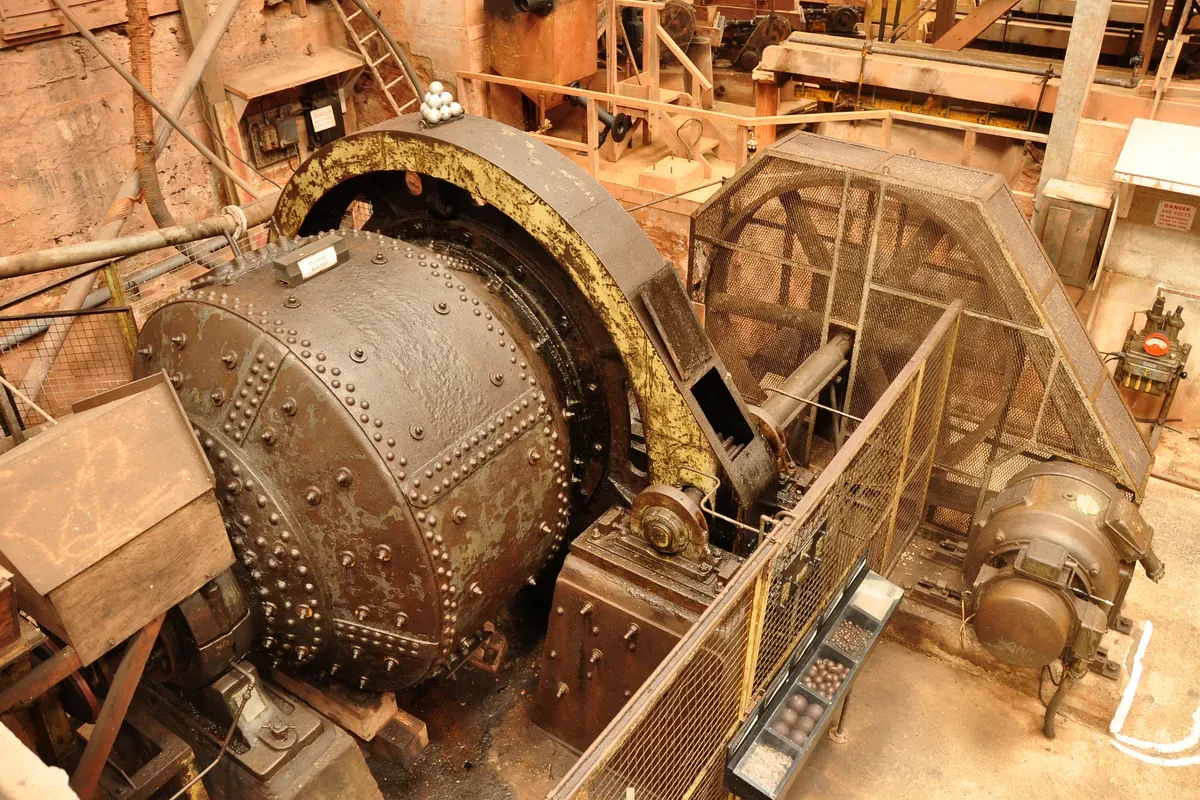
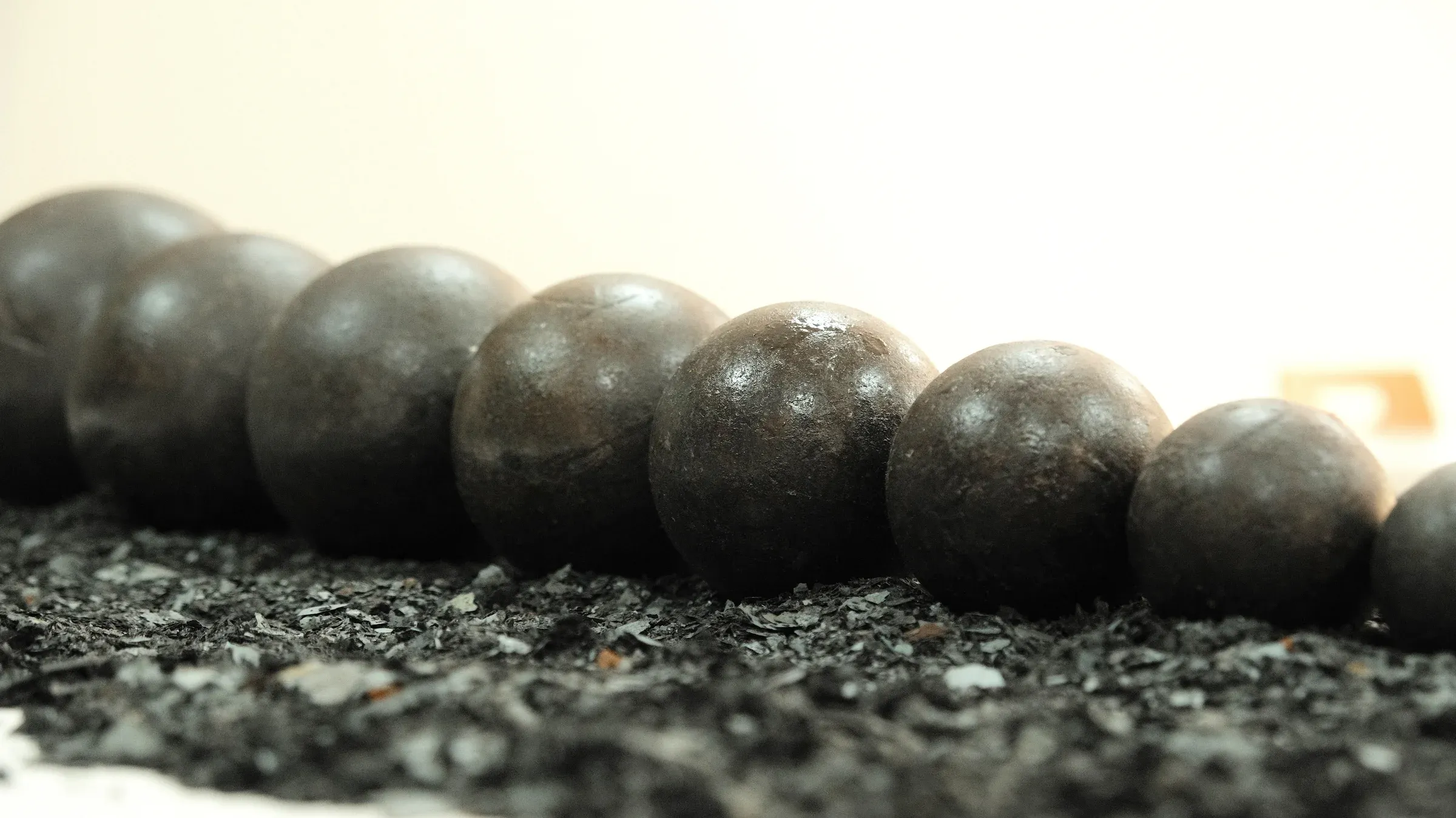
Grinding balls are a major operating cost and directly affect mill throughput, product size and liner wear. Selecting by diameter alone is not enough. The right forged ball combines surface hardness, volumetric hardness and impact toughness for the specific mill and ore.
We supply forged and hot-rolled steel grinding balls for gold and base-metal circuits, with diameter and material options matched to mill size, feed size, abrasion and impact severity.
What to specify
- Mill type, diameter and operating speed
- Current ball charge and top-up practice
- Ore hardness, abrasiveness and feed size
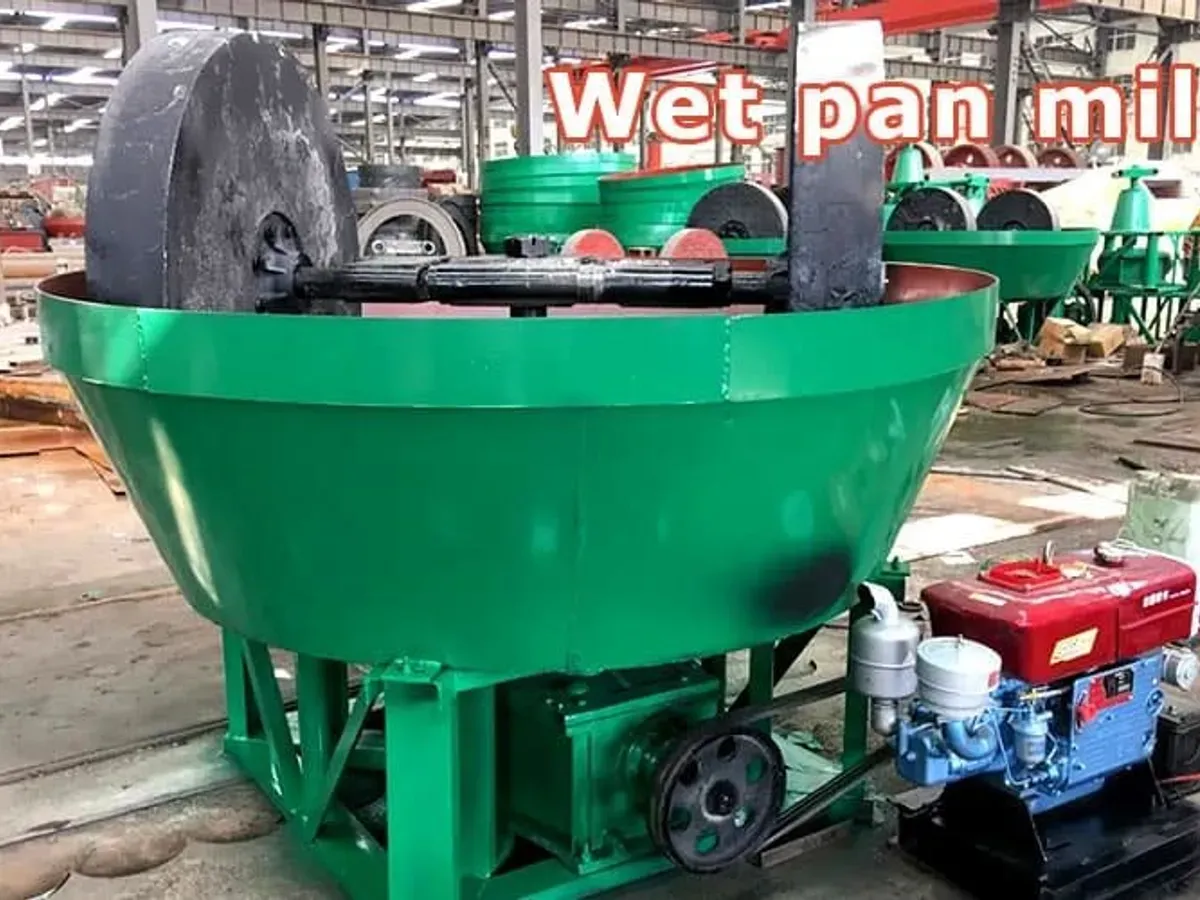
- Wet or dry grinding conditions
- Current media consumption and failure mode
- Required monthly volume and delivery schedule
Quality points buyers should verify
Consistent heat treatment helps limit hardness variation between the surface and core. Each batch should be checked for diameter tolerance, roundness, surface defects and hardness. For high-impact duties, toughness and breakage performance matter as much as maximum HRC.
Frequently asked questions
What ball size is used in gold ore mills?
Plants commonly use a graded charge rather than one diameter. The correct mix depends on feed size, mill dimensions and target product size.
Forged or cast grinding balls—which should I choose?
Forged balls are often preferred in high-impact mining applications. Cast high-chrome media can suit lower-impact or dry applications. The decision should be based on operating conditions and total wear cost.
Can you match an existing steel ball grade?
Yes. Send the chemical composition, hardness profile, ball size and current consumption data so a comparable or optimized grade can be proposed.